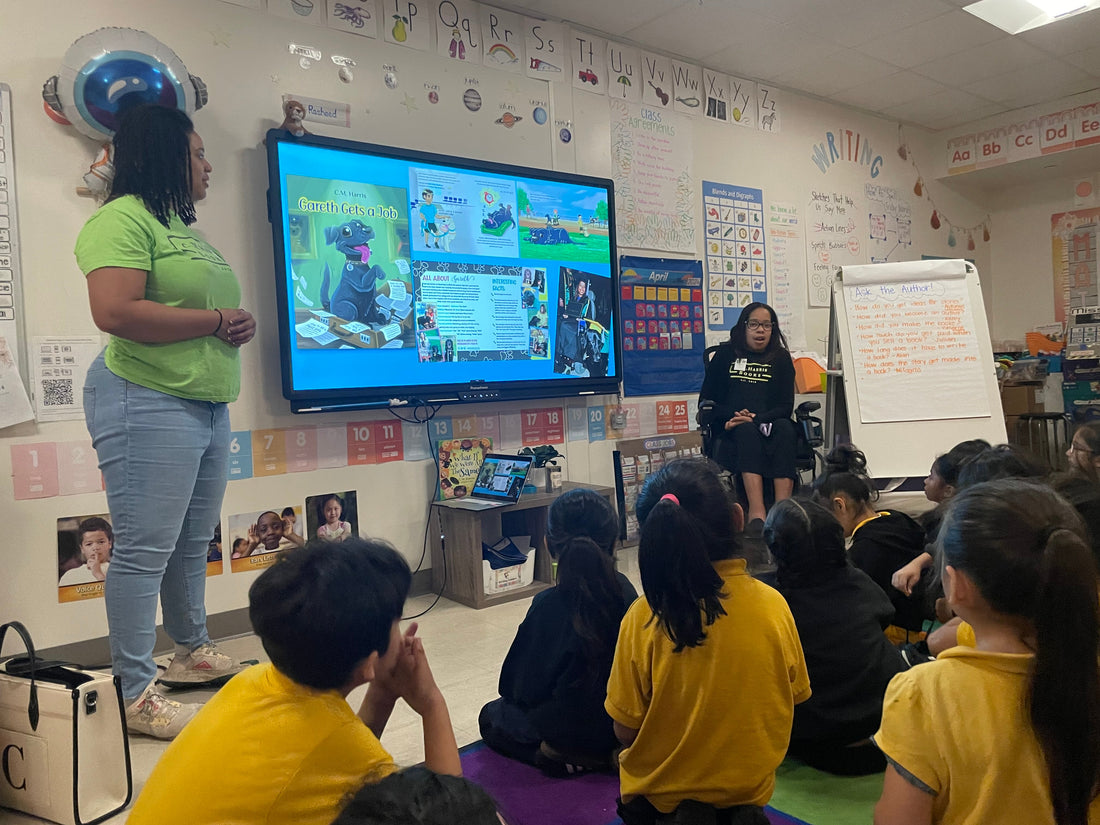
Morning meeting gives elementary students an opportunity to connect, share ideas, and build stronger relationships before the school day gets busy.
One simple question can lead to an important classroom conversation.
Friendship questions are especially useful because children are constantly learning how to meet new people, include others, listen, communicate, handle disagreements, and repair relationships after mistakes.
These 30 morning meeting questions about friendship can be used throughout the school year. Choose one question for the day, invite several students to respond, or use the questions for partner discussions, journal prompts, and small-group activities.
There is not always one correct answer.
Give students room to think, listen, and learn from one another.
Building Friendships
Use these questions to help students think about how friendships begin and grow.
1. What makes someone a good friend?
2. How can you introduce yourself to someone new?
3. What is one way you can get to know a classmate better?
4. Can people be friends if they like different things? Why?
5. What is something a friend has taught you?
6. How do small acts of kindness help friendships grow?
Teacher Tip: Ask students to name specific actions instead of only using words such as “nice” or “kind.” What does kindness actually look or sound like between friends?
Inclusion and Belonging
These friendship discussion questions encourage students to notice when someone may need an invitation, connection, or opportunity to participate.
7. How can you help a new student feel welcome?
8. What could you do if you noticed someone sitting alone?
9. How does it feel when someone invites you to join an activity?
10. Does including someone mean you always have to do what they want? Why or why not?
11. What can you do when a group already has a game started and someone else wants to join?
12. How can our classroom help everyone feel like they belong?
Teacher Tip: Encourage students to think beyond recess. Inclusion can happen during group projects, lunch, classroom discussions, field trips, and everyday routines.
Listening and Communication
Strong friendships require more than talking. These questions help students explore listening, honesty, and respectful communication.
13. How can you show a friend that you are listening?
14. What can you do if a friend does not understand what you are trying to say?
15. Why is it important to let someone finish speaking?
16. How can you tell a friend that something hurt your feelings?
17. What is the difference between hearing someone and listening to them?
18. What does respectful communication sound like?
Teacher Tip: Invite two volunteers to demonstrate listening and not listening. Ask the class to identify the differences they notice in body language, words, and attention.
Handling Disagreements
Friendship does not mean agreeing about everything.
Learning how to navigate disagreement is an important friendship skill.
19. Can good friends disagree?
20. What can you do when you and a friend want to play different games?
21. How can you disagree without being disrespectful?
22. What should you do if you need space from a friend?
23. What makes an apology meaningful?
24. What can you do after you make a friendship mistake?
Teacher Tip: Remind students that solving a disagreement does not always mean one person “wins.” Sometimes friends compromise, take turns, choose different activities, or take time apart.
Being a Supportive Friend
These questions encourage students to think about how friendship can look during both exciting and difficult moments.
25. How can you celebrate when something good happens to a friend?
26. What could you say to a friend who is having a difficult day?
27. How can you help a friend without taking over?
28. What does it mean to respect a friend’s boundaries?
29. How can you support a friend who is nervous about trying something new?
30. What is one friendship skill you want to practice this week?
Teacher Tip: Question 30 can become a weekly classroom reflection. Invite students to choose one friendship skill and think about how they can practice it through their actions.
How to Use Friendship Questions in Your Classroom
These morning meeting questions do not have to stay in morning meeting.
Teachers can also use them as:
* journal prompts
* partner discussions
* classroom circle questions
* SEL activities
* writing prompts
* exit tickets
* small-group conversation starters
* read-aloud extension questions
Consider returning to the same question later in the school year.
Students’ answers may change as they gain new experiences, build relationships, and practice communication skills.
Ask Your Class: What If We Were All Friends?

Try ending your friendship discussion with one larger question:
What if we were all friends?
Ask students to imagine what friendship could look like in their classroom, school, neighborhood, or world.
Would everyone agree all the time?
Probably not.
Would mistakes still happen?
Of course.
Friendship is not about being perfect.
It is about learning how to connect, communicate, include others, respect one another, and decide what to do when challenges arise.
Continue the Friendship Conversation
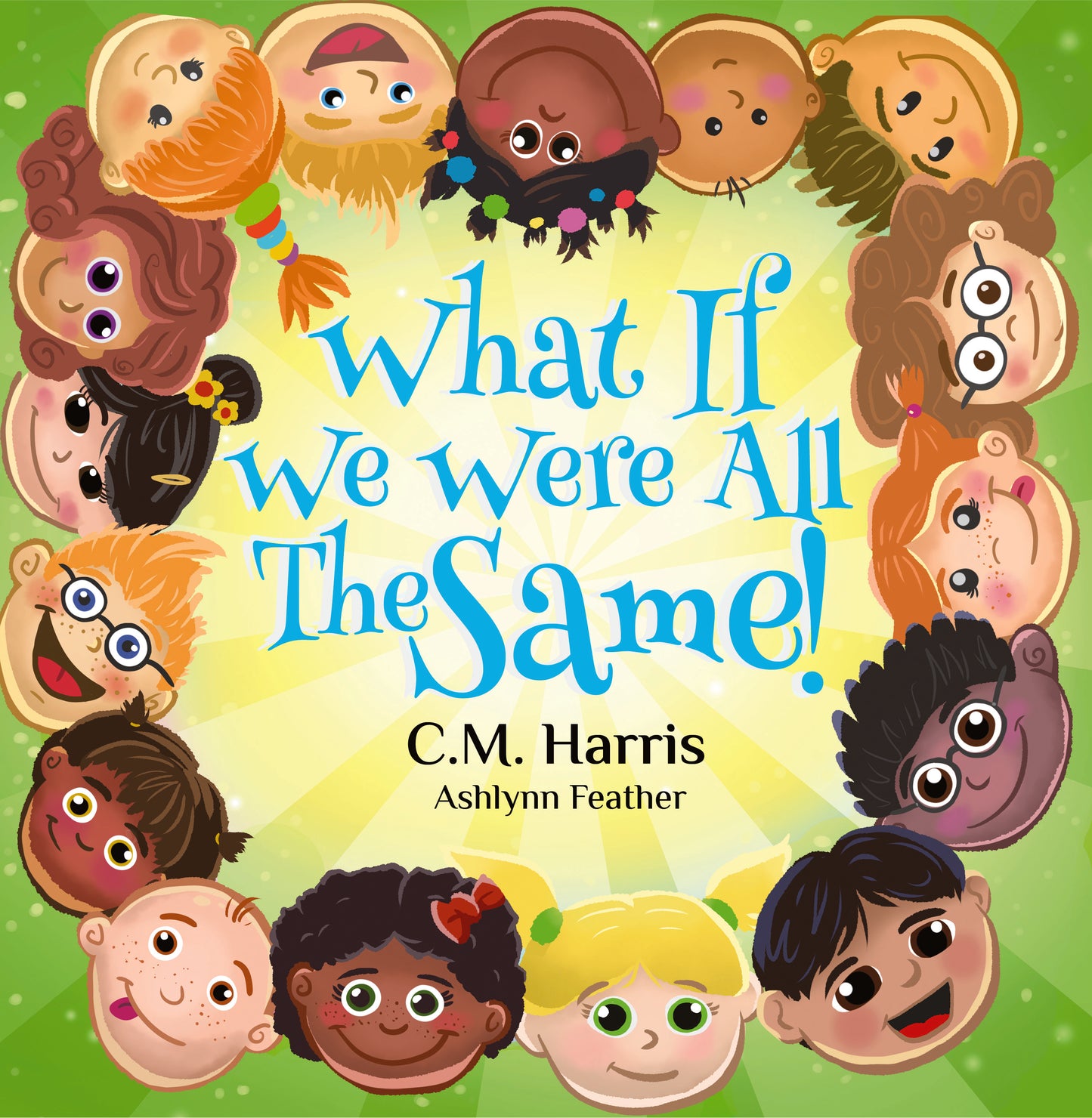
What If We Were All Friends! by C.M. Harris invites young readers to imagine the possibilities that begin when people choose friendship and connection.
The story can be used as a classroom read-aloud to begin conversations about inclusion, welcoming others, and what friendship can look like in action.
Pair the book with one of the morning meeting questions above and give students an opportunity to connect the story to their own classroom community.
Looking for more classroom activities inspired by friendship, kindness, inclusion, honesty, generosity, and curiosity?
Visit the What If We Were All Teacher Resource Library for classroom resources and educational activities inspired by the What If We Were All series.