Friendship is an important part of the elementary school experience. Students are learning how to meet new people, communicate their feelings, handle disagreements, include others, and understand what it means to be a good friend.
For some children, making friends comes naturally. Others may need more opportunities to practice friendship skills in a safe and supportive classroom environment.
Friendship activities for elementary students can help teachers create those opportunities while building a stronger classroom community. From morning meetings to read-aloud discussions, these simple classroom ideas encourage students to think about how their words and actions affect the people around them.
Here are 10 friendship activities teachers can use throughout the school year.
1. Create a Classroom Friendship Web
Invite students to sit or stand in a circle. Begin with a ball of yarn and ask one student to share something kind or positive about another classmate.
The student holds one end of the yarn and gently passes the ball to that classmate. Continue until multiple students are connected by the yarn.
At the end, ask students to look at the web they created.
Discuss how one connection can lead to another and how each person plays a role in the classroom community.
Discussion question: What happens to our classroom community when someone feels left out?
2. Make a “Good Friend” Classroom Chart
Write the words A Good Friend… at the top of a large sheet of chart paper.
Ask students to complete the sentence.
Their answers might include:
* listens
* shares
* tells the truth
* includes others
* apologizes
* helps
* respects boundaries
* celebrates your success
Keep the completed chart visible in the classroom.
Teachers can return to it when friendship challenges arise and ask, “Which friendship skill could help us right now?”
3. Use Friendship Scenario Cards
Give students short friendship scenarios to discuss in pairs or small groups.
For example:
A student is sitting alone during recess. What could you do?
Two friends want to play different games. How could they solve the problem?
Your friend makes a mistake that hurts your feelings. What could you say?
A new student joins your class. How could you help them feel welcome?
Encourage students to identify more than one possible response.
The goal is not always to find one “correct” answer. Students are learning how to think through social situations, communicate, and consider the feelings of others.
4. Start a Friendship Question of the Day
Use a friendship-themed question during morning meeting.
Try questions such as:
* What makes someone a good friend?
* How can you include someone new?
* What should friends do when they disagree?
* Can two friends like different things?
* How can you show a friend you are listening?
* What does a good apology sound like?
* How can you support a friend who is having a difficult day?
Allow several students to answer.
Teachers can use these conversations to introduce friendship skills naturally instead of waiting until a problem occurs.
5. Read a Friendship Book Aloud
Read-alouds give students an opportunity to explore friendship situations through characters and stories.
Before reading, ask students to listen for moments when a character acts like a friend.
During the story, pause and ask:
What did you notice?
How do you think the character feels?
What could happen next?
Would you make the same choice? Why or why not?
After reading, invite students to connect the story to their own classroom community.
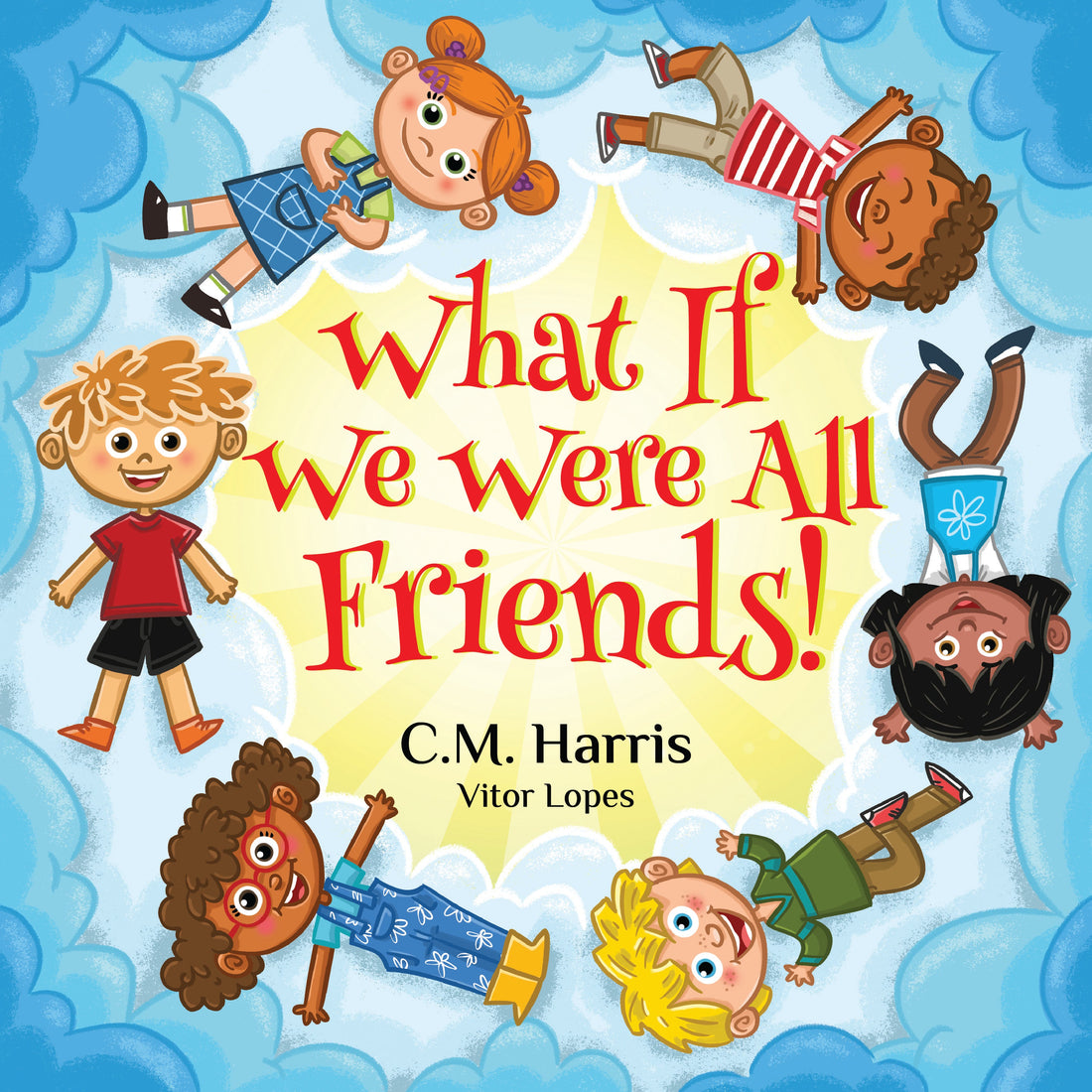
What If We Were All Friends! by C.M. Harris explores what the world could look like if friendship, inclusion, and connection guided the way we treated one another.
Use the story to begin a classroom conversation about what friendship can look like in action.
6. Try the “Find Something We Share” Challenge
Pair students who do not usually work together.
Give each pair three minutes to discover three things they have in common.
They might discover that they:
* have the same favorite color
* enjoy drawing
* have pets
* like the same sport
* enjoy the same type of book
* both dislike waking up early
Afterward, invite students to share one surprising connection.
This activity helps students look beyond their usual friendship groups and learn more about their classmates.
7. Create Friendship Role-Play Stations
Set up several classroom stations with simple social situations.
One station might focus on joining a game.
Another might focus on disagreement.
Another could explore sharing materials or responding when someone’s feelings are hurt.
Students work in small groups to act out possible responses.
After each role-play, ask:
What worked?
What could the characters try differently?
Was everyone treated with respect?
Role-play allows students to practice social skills before they encounter similar situations in real life.
8. Write a Friendship Appreciation Note
Ask each student to write a short note recognizing something positive about a classmate.
Encourage specific observations.
Instead of writing:
You are nice.
A student might write:
Thank you for helping me clean up the art supplies yesterday.
Or:
I noticed you invited someone to play at recess.
Specific appreciation helps students practice noticing positive friendship behaviors around them.
9. Build a Classroom Friendship Challenge
Choose one friendship action for the class to practice each day or week.
Examples include:
Monday: Introduce yourself to someone new.
Tuesday: Invite someone to join an activity.
Wednesday: Give someone a sincere compliment.
Thursday: Ask a classmate a question and listen carefully to the answer.
Friday: Thank someone who helped you this week.
At the end of the challenge, ask students what they noticed.
Did anything change in the classroom?
Did they learn something new about a classmate?
Was one friendship action more difficult than another?
10. Ask Students: “What If We Were All Friends?”
Write one question where every student can see it:
What if we were all friends?
Give students time to think.
Then ask them to imagine their classroom, playground, school, or community.
What might change?
Would more students feel included?
How would disagreements be handled?
Would everyone always agree?
What would friendship look like when someone made a mistake?
This question can become a writing prompt, classroom discussion, drawing activity, or small-group project.
The goal is not to suggest that friendship means everyone must be exactly the same or agree all the time.
Instead, students can explore how connection, respect, inclusion, and communication help people build stronger relationships.
Friendship Skills Grow With Practice
Children are not born knowing how to navigate every friendship situation.
They learn.
They observe.
They practice.
They make mistakes.
And they try again.
Classroom friendship activities give elementary students a space to practice communication, inclusion, listening, problem-solving, and empathy before difficult situations arise.
A classroom filled with friendship does not mean a classroom without disagreements.
It means students are learning what to do when those disagreements happen.
Continue the Conversation With What If We Were All Friends!

What would happen if we looked beyond our differences and made room for friendship?
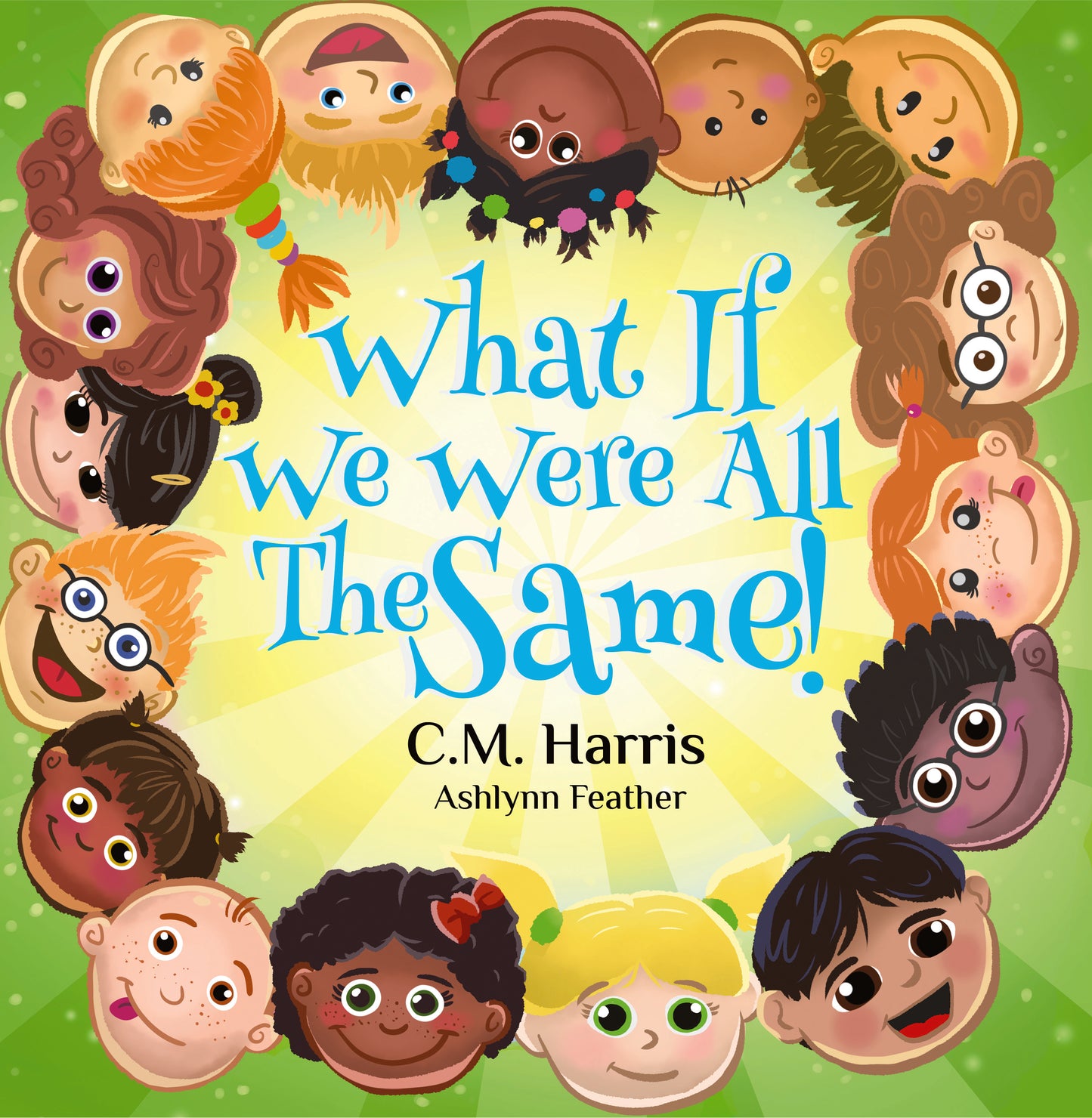
What If We Were All Friends! by C.M. Harris invites young readers to imagine a world where friendship and inclusion bring people together.
Created for young readers and classroom conversations, the story encourages children to think about connection, welcoming others, and the possibilities that begin when we choose to reach out.
Explore What If We Were All Friends! and bring the friendship conversation into your classroom.
Looking for more friendship activities for your elementary classroom?
Explore the What If We Were All Teacher Resource Library for classroom activities, discussion ideas, and resources inspired by the What If We Were All series.
Explore Teacher Resources